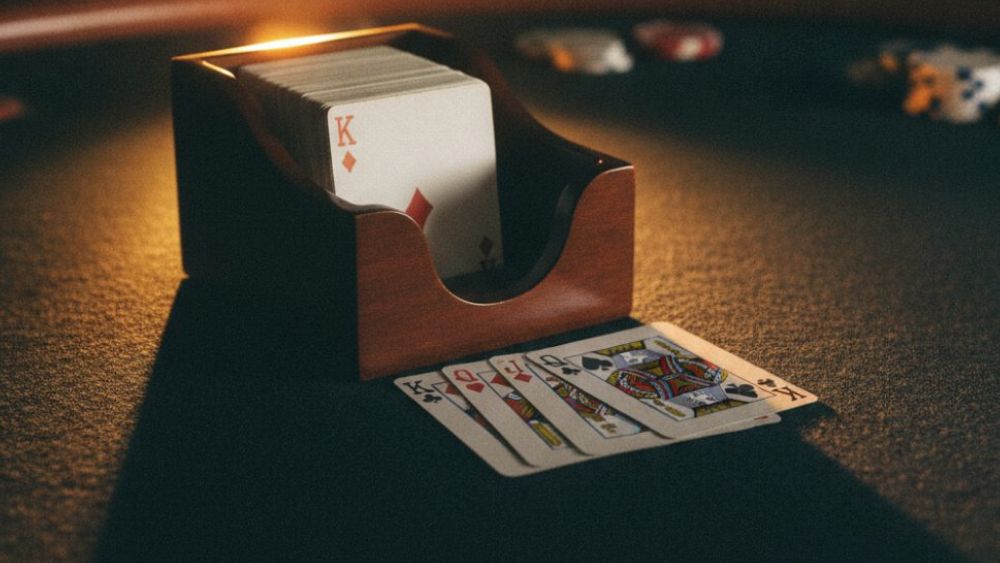
The Basics: What You Need to Know Before You Play
Tongits is a three-player rummy-style game that's been a staple in Filipino households for decades. Unlike many casino games, it's simple to learn but offers deep strategic layers. The goal? Be the first to empty your hand or have the lowest deadwood when someone calls 'Tongits' or the deck runs out. But before we dive into a practical example, let's cover the essentials.
Players: Exactly three. Four players? That's usually a variant called 'Tongits with a dummy' or you can rotate.
Deck: Standard 52-card deck, no jokers. Aces are low (1 point), face cards are 10, and number cards are face value.
Deal: Each player gets 12 cards. The remaining cards form a draw pile, and the top card is flipped to start the discard pile.
Objective: Form melds (sets or runs) and lay them down. You can also 'call' a card from the discard pile if you can use it immediately in a meld. The round ends when a player goes out (empties their hand), calls Tongits, or the draw pile is exhausted.
Now, let's walk through a practical hand to see how these rules come alive.
A Practical Example: Playing Out a Round
Imagine you're seated at a table with two friends, and you've just been dealt your 12 cards:
- Your hand: 7♥, 8♥, 9♥, 10♥, J♥, 3♣, 3♦, 3♠, 5♦, 6♦, 7♣, K♠
You quickly scan for potential melds. You have a run in hearts (7-8-9-10-J) and a set of 3s (3♣, 3♦, 3♠). That's 8 cards already in melds. The remaining 4 cards are 5♦, 6♦, 7♣, K♠—your deadwood.
The discard pile shows a 4♦ on top. You could use that 4♦ to extend your heart run? No, it's a diamond. But wait, you have 5♦ and 6♦—a 4♦ would complete a run 4-5-6♦. However, you can only call a card if you can meld it immediately. Since you already have 5♦ and 6♦, you could call the 4♦ and form a run of 4-5-6♦. That's a valid meld! So you call 'Tongits'? No, calling a card is not the same as calling Tongits. You simply say 'I'll take the 4♦' and place it with your 5♦ and 6♦, then lay down the meld. But note: when you call a card, you must also discard one card afterward.
Let's say you call the 4♦ and meld 4♦-5♦-6♦. You now have 9 cards in melds (the heart run, the 3s, and the diamond run). Your remaining hand: 7♣, K♠. You must discard one. You discard K♠. Now you have 7♣ left. The game continues.
Later, the player to your left discards a 7♦. You already have a 7♣, but that doesn't form a meld. You can't call it unless you can meld it. So you pass. The next player draws and discards a 7♠. Still no. Then you draw from the deck and get a 7♥—but you already used your 7♥ in the heart run. You can't use another 7♥. So you discard it.
Finally, you draw a 7♦. Now you have 7♣ and 7♦—not a set. But you also have a 5♦ and 6♦ already melded? No, they're melded. You can't rearrange melds once laid down. So you can't use the 7♦. You discard it.
The game continues until someone goes out or the deck runs out. In this example, suppose you later draw a 3♥. You already have a set of 3s melded, but you can't add a fourth 3 to a set? Actually, in Tongits, a set can have more than three cards? Typically, sets are exactly three or four of a kind. If you have three 3s melded, you can add the fourth 3 to make a set of four. Yes, that's allowed. So you could add the 3♥ to your set. But you need to have it in hand and then meld it. So you draw 3♥, meld it with your existing set (now four 3s), and discard something else.
This shows how melds can grow, and how you must adapt.
Key Strategies: Winning More Often
Now that you've seen a hand in action, let's discuss strategies to improve your game.
1. Prioritize Melds That Use High Cards
High cards like K, Q, J, and 10 carry 10 points each. If you're left with them as deadwood, you'll lose big. So try to meld them early. In our example, the heart run used J, 10, 9, 8, 7—that's 44 points off your deadwood! Smart.
2. Watch the Discard Pile
The discard pile is a goldmine. If you see a card that completes a meld, grab it. But be careful: calling a card gives opponents information about your hand. Use it wisely.
3. Don't Be Too Eager to Call Tongits
Calling Tongits means you have no deadwood and you end the round immediately. But if you call it when you have a valid meld in hand that you haven't laid down, you might miss out on points. Sometimes it's better to lay down melds first.
4. Keep Track of Deadwood
Always know your deadwood points. If the deck is running low, you want to have the lowest deadwood to win the showdown. Aim to keep it under 10 points.
"Tongits is a game of patience and observation. The best players don't just play their own hand—they read the table." — Local Tongits champion, Manila
Common Mistakes and How to Avoid Them
Even experienced players slip up. Here are pitfalls to avoid.
- Holding onto high cards: If you can't meld a King, discard it early. Don't wait until the end.
- Ignoring the draw pile: Sometimes the card you need is not in the discard pile. Draw from the deck and hope for the best.
- Forgetting to say 'Tongits': If you go out by emptying your hand, you must say 'Tongits' to end the round. If you forget, play continues.
- Melding too early: If you meld a set of 3s but then draw a fourth 3, you can't add it if you've already melded the set? Actually, you can add to a meld on your turn. But if you meld too early, you might miss a chance to use those cards in a different combination.
Practice with friends or online to internalize these lessons.
Tongits in 2026: Where to Play
While Tongits is traditionally a home game, online platforms now offer it. In 2026, several Philippine-friendly casinos feature Tongits variants. But remember: always play responsibly. If you're looking for a casino that offers Tongits, check our reviews. Look for sites with good RNG certification and fair play policies.
Whether you're playing for fun or stakes, the thrill of Tongits remains. So gather your friends, shuffle the deck, and may the best hand win.
Frequently Asked Questions
Can I play Tongits with more than three players?
Traditional Tongits is for three players. With four, you can adapt by having one player sit out each round or use a dummy hand, but the core game is best with three.
What happens if the draw pile runs out?
If the draw pile is exhausted and no one has gone out or called Tongits, the round ends. Players then compare deadwood points; the lowest total wins.
Is Tongits legal in the Philippines?
Tongits is a social game and is generally legal for casual play. However, gambling laws apply if played for money in certain contexts. Always check local regulations.
How do I score points in Tongits?
Points are based on deadwood: Aces=1, number cards=face value, face cards=10. The player with the lowest deadwood wins the round and scores the difference from opponents. Calling Tongits or going out gives bonus points.